
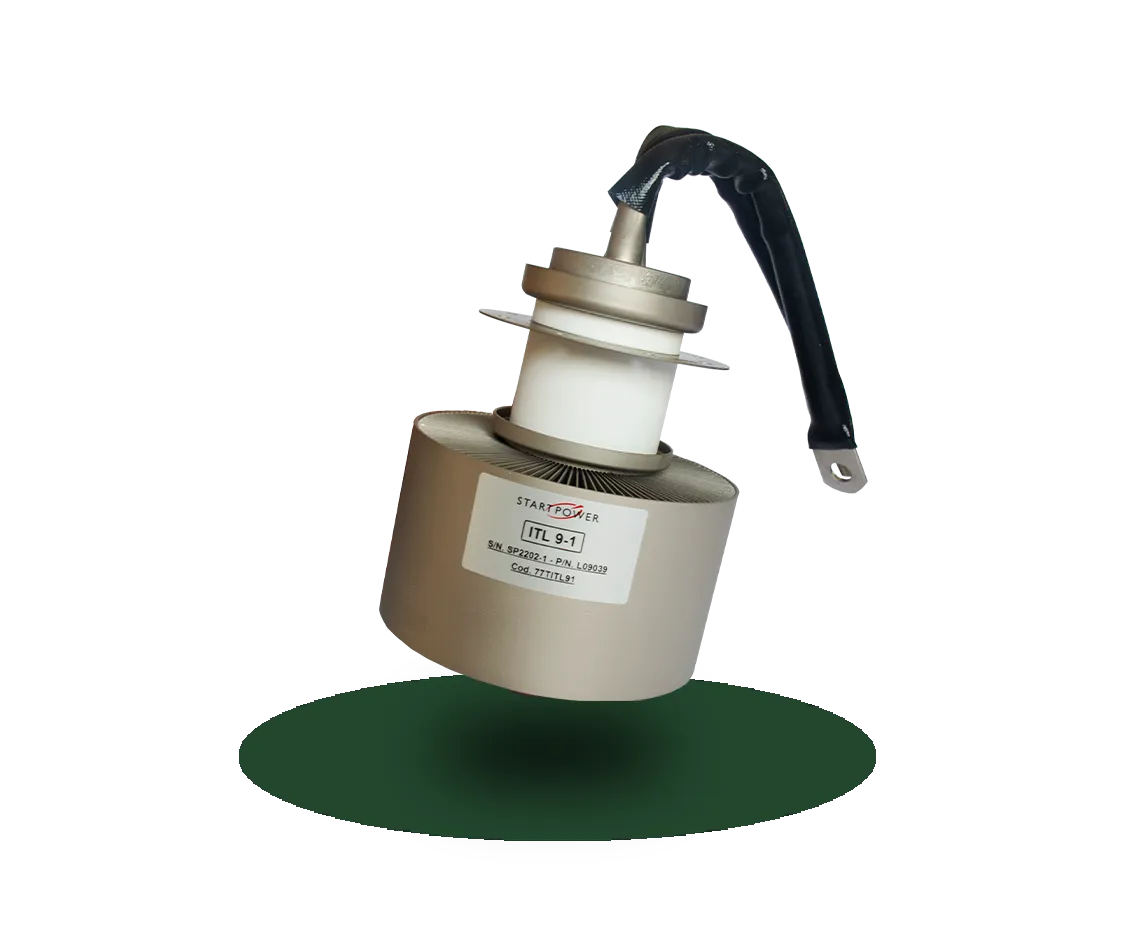
Cos’è un triodo ceramico e come funziona
I triodi ceramici sono tubi elettronici ad alta potenza utilizzati per generare o amplificare radiofrequenza in applicazioni industriali. Grazie alla struttura metallo‑ceramica, offrono robustness, stabilità termica and high performance even under harsh conditions..
Un triodo è composto da tre elementi principali: cathode, grid, anode.
Il catodo emette elettroni, la griglia controlla il flusso e l’anodo raccoglie la corrente.
The metal-ceramic structure ensures:
- high dielectric insulation
- thermal resistance
- stabilità alle alte frequenze (fino a 150 MHz)
- long service life
Years of experience in the HF business
Customers served Worldwide
Maximum handled Power
Guaranteed operating hours
What type of cooling system should you choose?
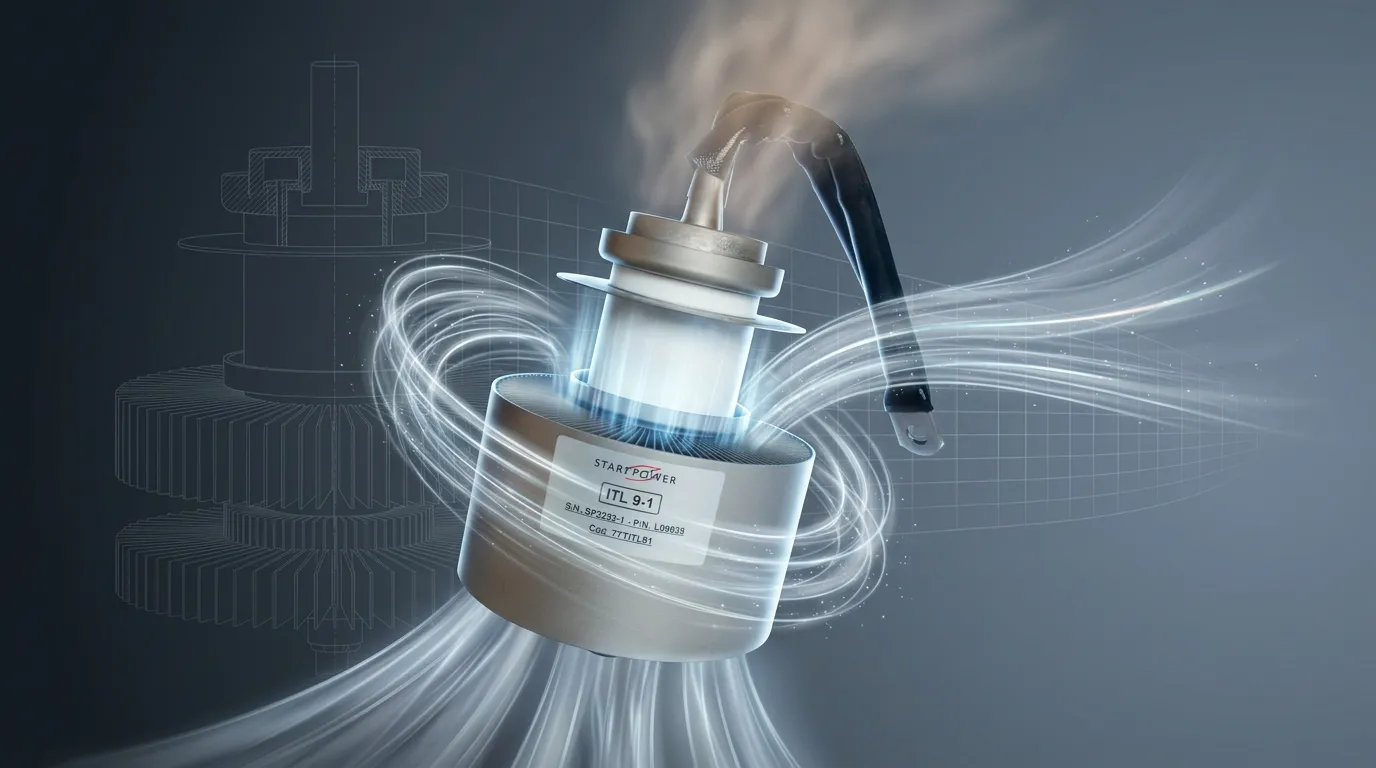
Forced-air cooling
Questi triodi sono ideali per applicazioni industriali con potenze medio‑alte e cicli di lavoro continui. Il loro principale vantaggio è l’their high heat dissipation rispetto al raffreddamento a convezione naturale, unendo però la semplicità gestionale that liquid-cooled systems provide.
Advantages:
- lower operating costs
- easy installation
- minimal maintenance
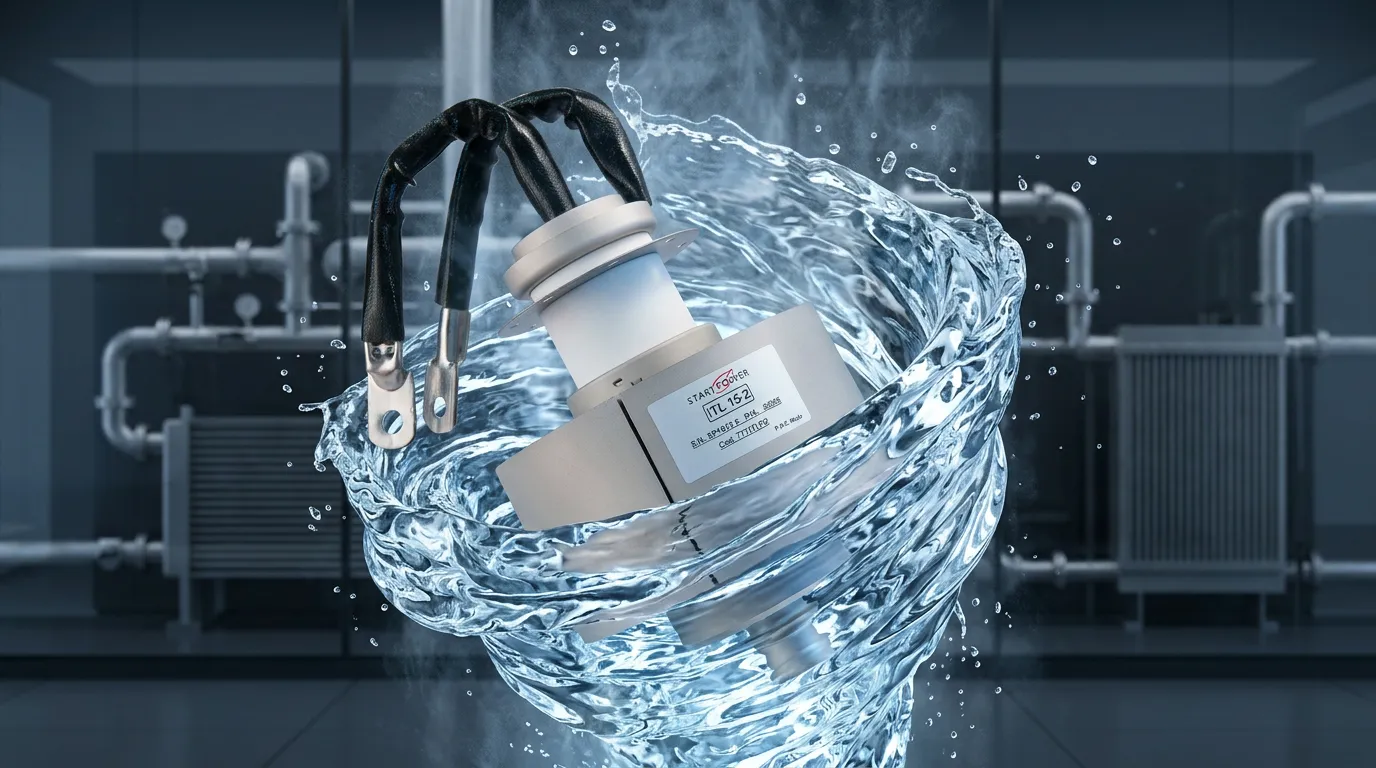
Liquid cooling
These triodes are ideal for very high power applications or environments with critical temperatures.
They offer superior heat dissipation and greater stabilità under continuous operation.
Advantages:
- superior heat dissipation
- maggiore stabilità in regime continuo
- extended triode lifetime
Available models
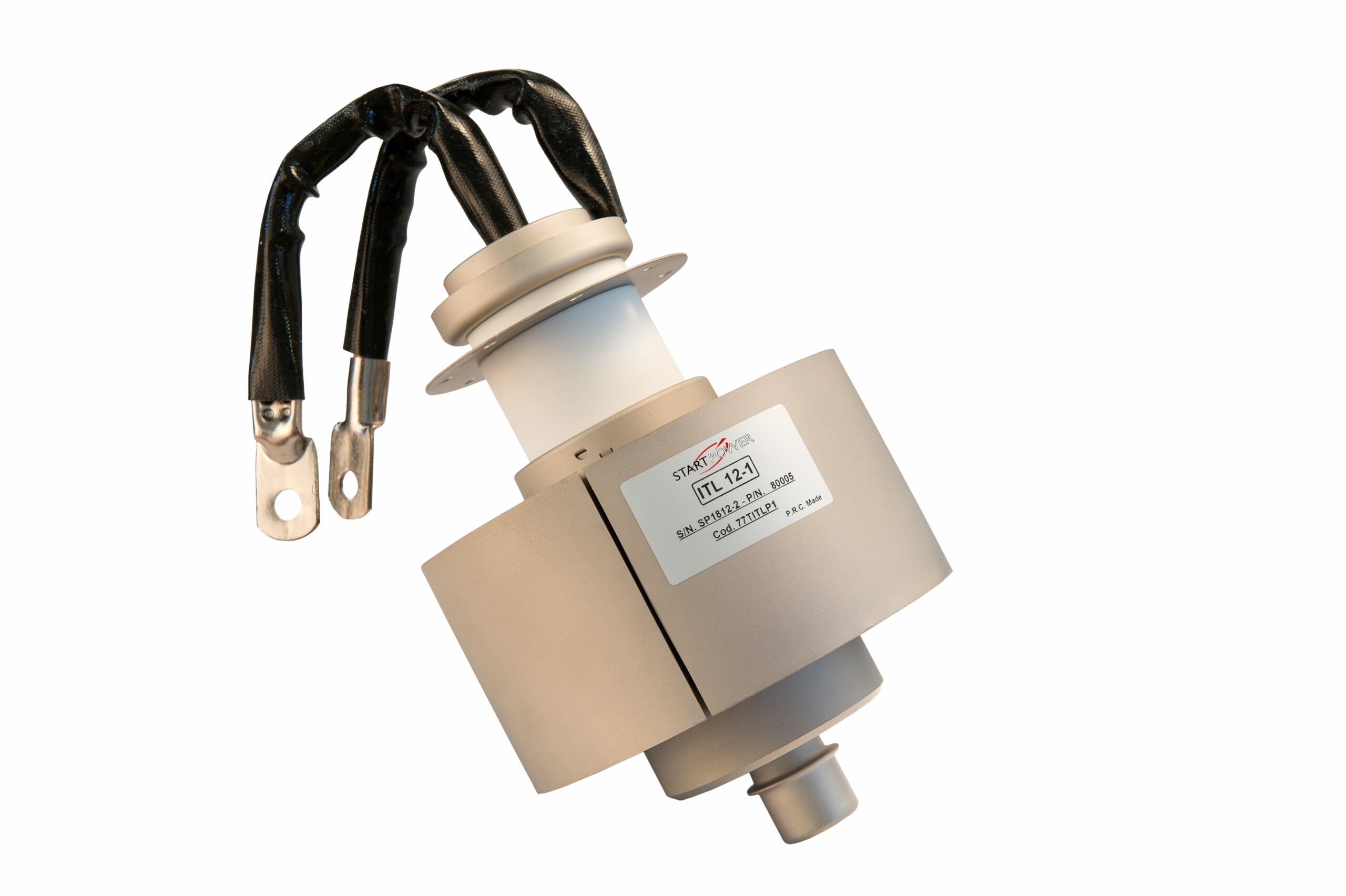
ITL 12‑1
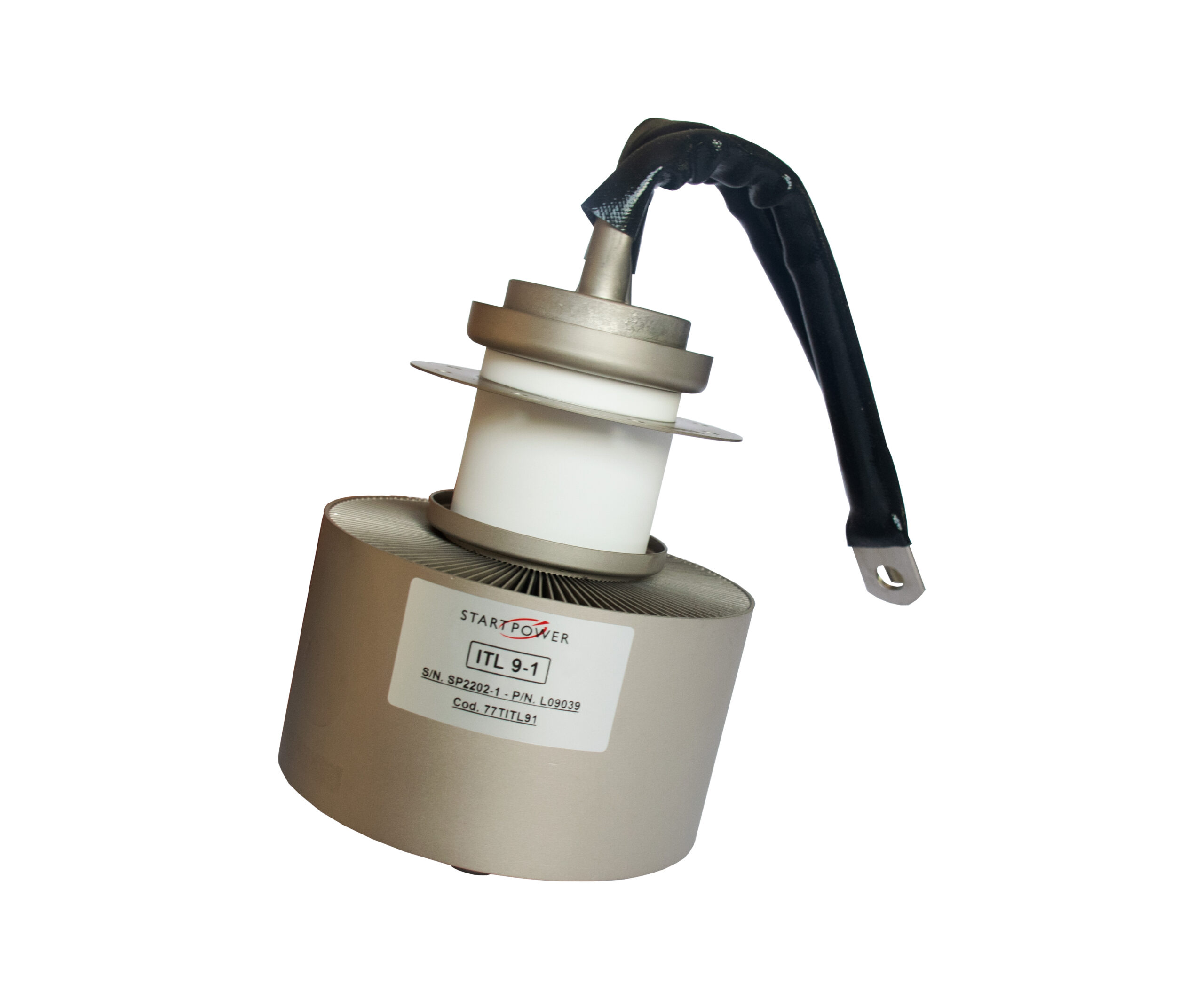
ITL 9
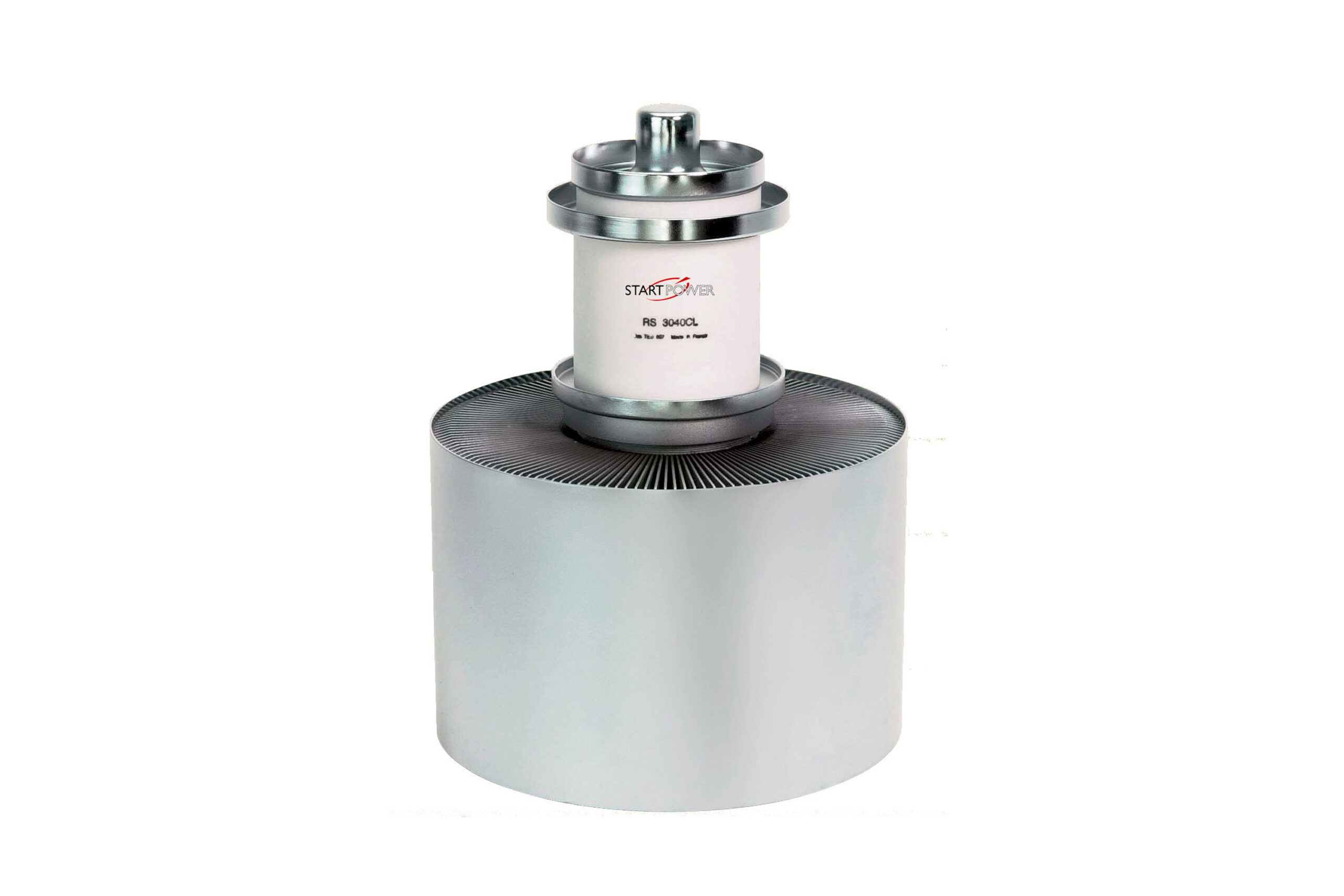
RS3040CL
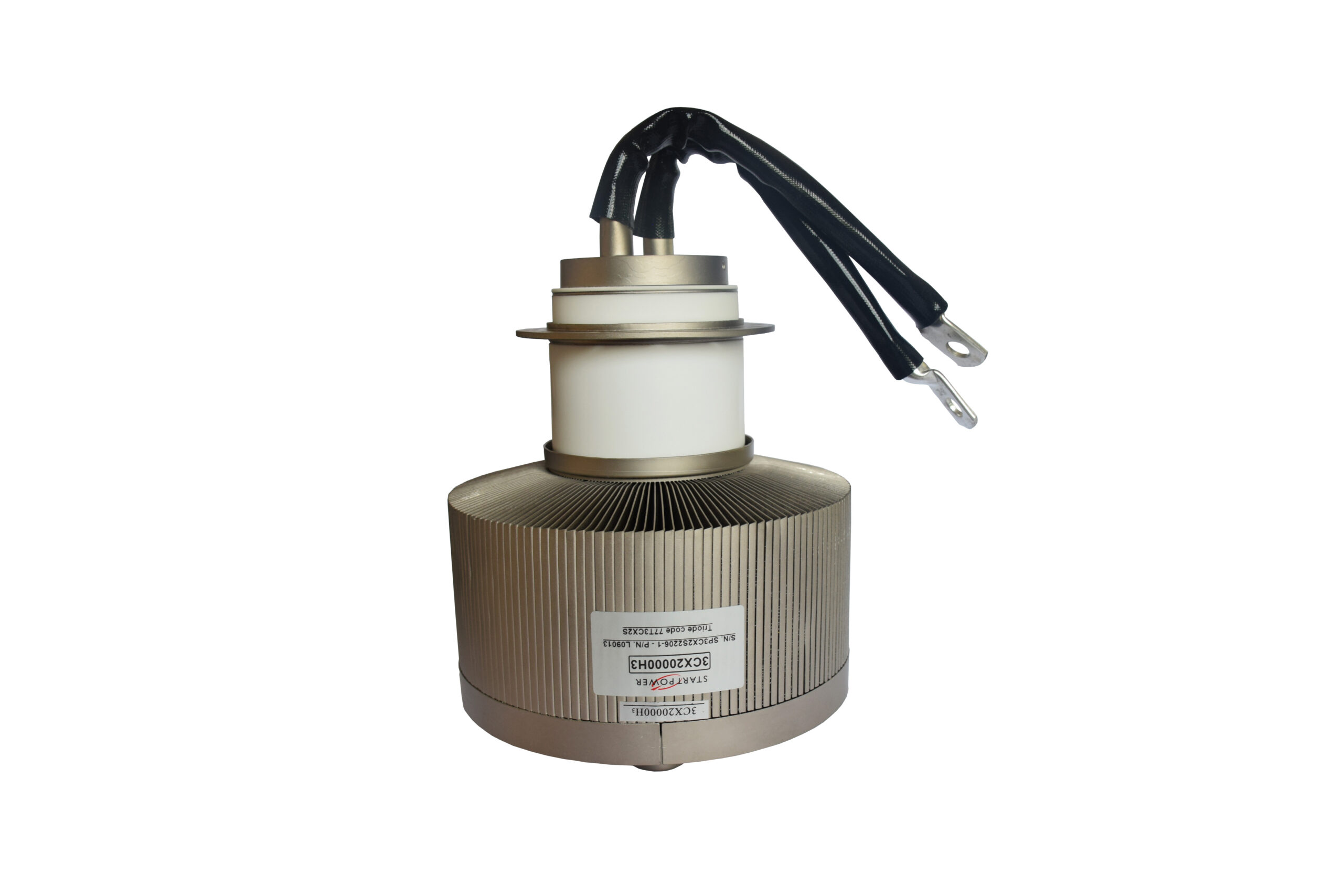
3CX Series
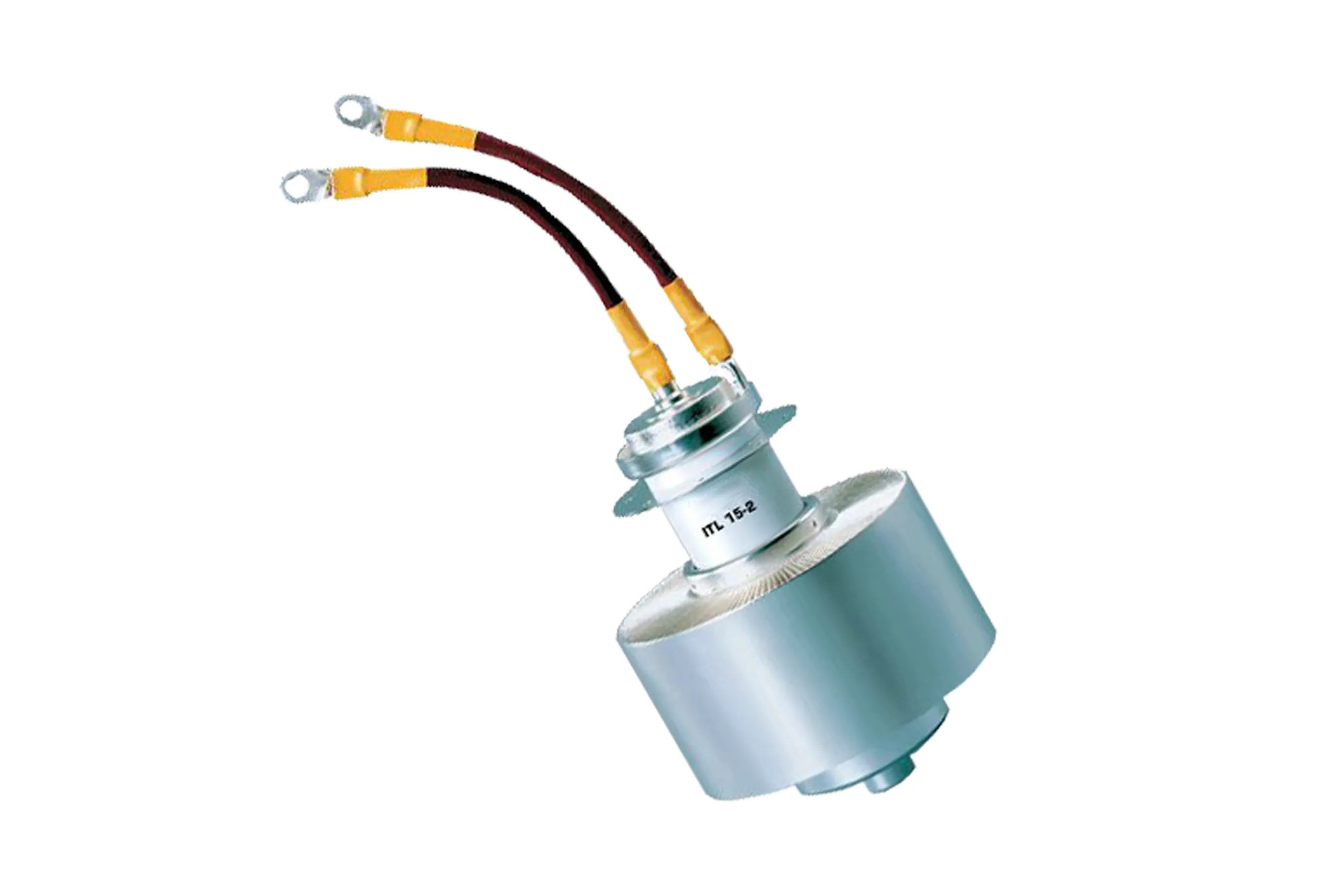
ITL 15
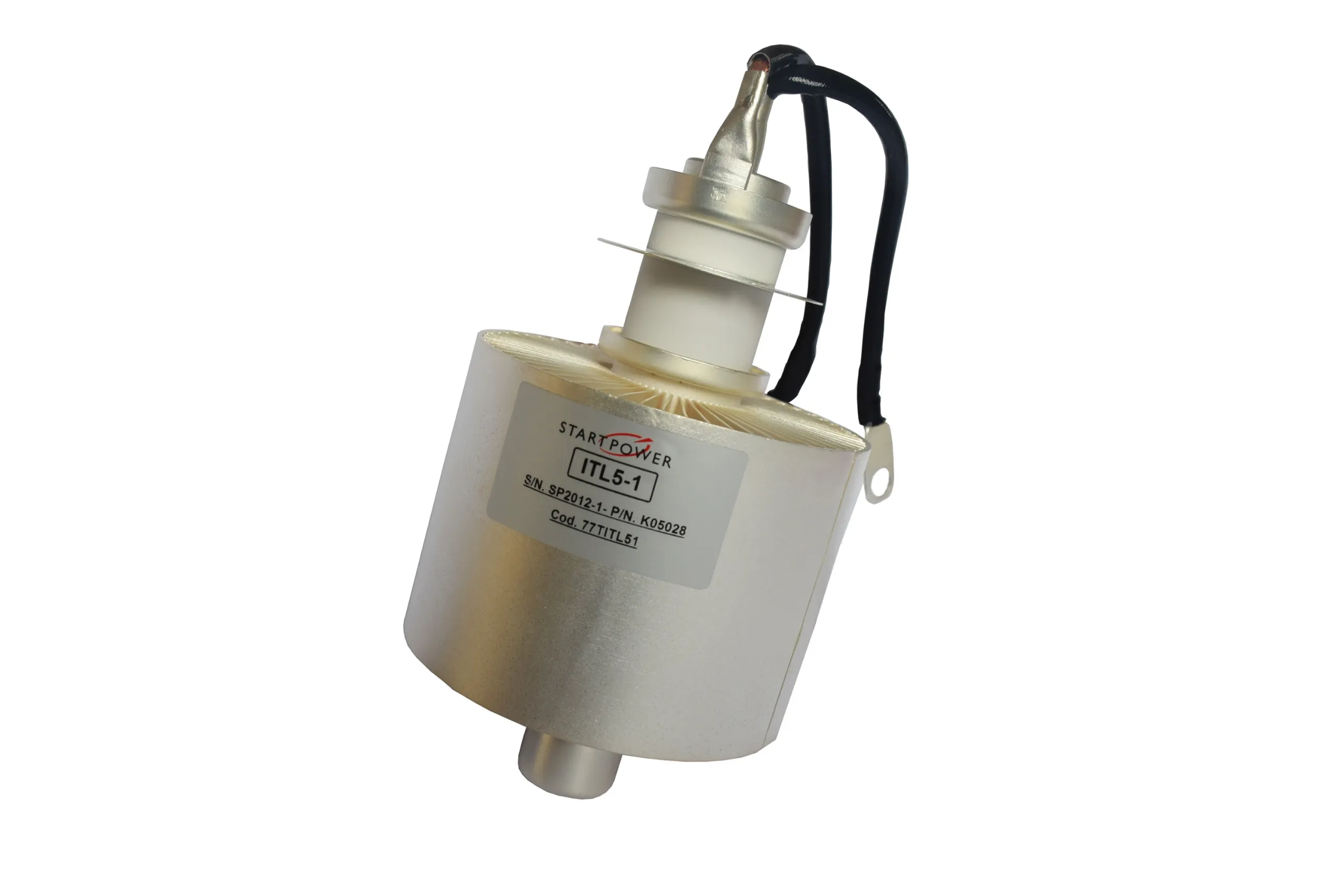
ITL 5
FAQ

Do you need a ceramic triode?
Contact us for technical advice or to receive a detailed technical data sheet on the available models.